
The Theme of Disqualification
No Longer HumanTracks the recurring motif of being 'disqualified as a human being' through Yozo's self-perception and society's judgment.
increasing Bearing strength in each event
 decreasing
Bearing strength in each eventdecreasingThe First Hint
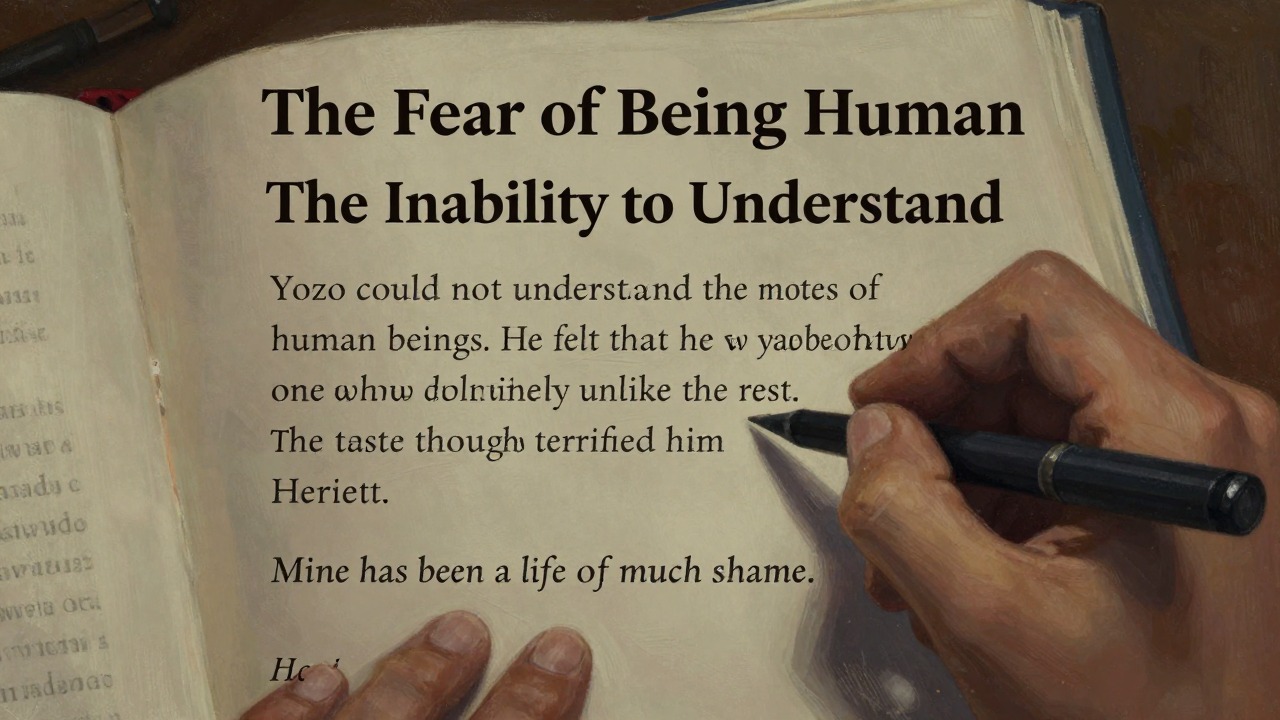
The Fear of Being Human
The Inability to Understand
Yozo could not understand the motives of human beings. He felt that he was the only one who was entirely unlike the rest. This thought terrified him.
The Conclusion of Shame
He later wrote, "Mine has been a life of much shame." The sense of being different was the seed of his disqualification.
The Birth of the Jester
He invented clowning as a last quest for love, but it was a sign that he could not be a normal human being.
The Criminal Consciousness
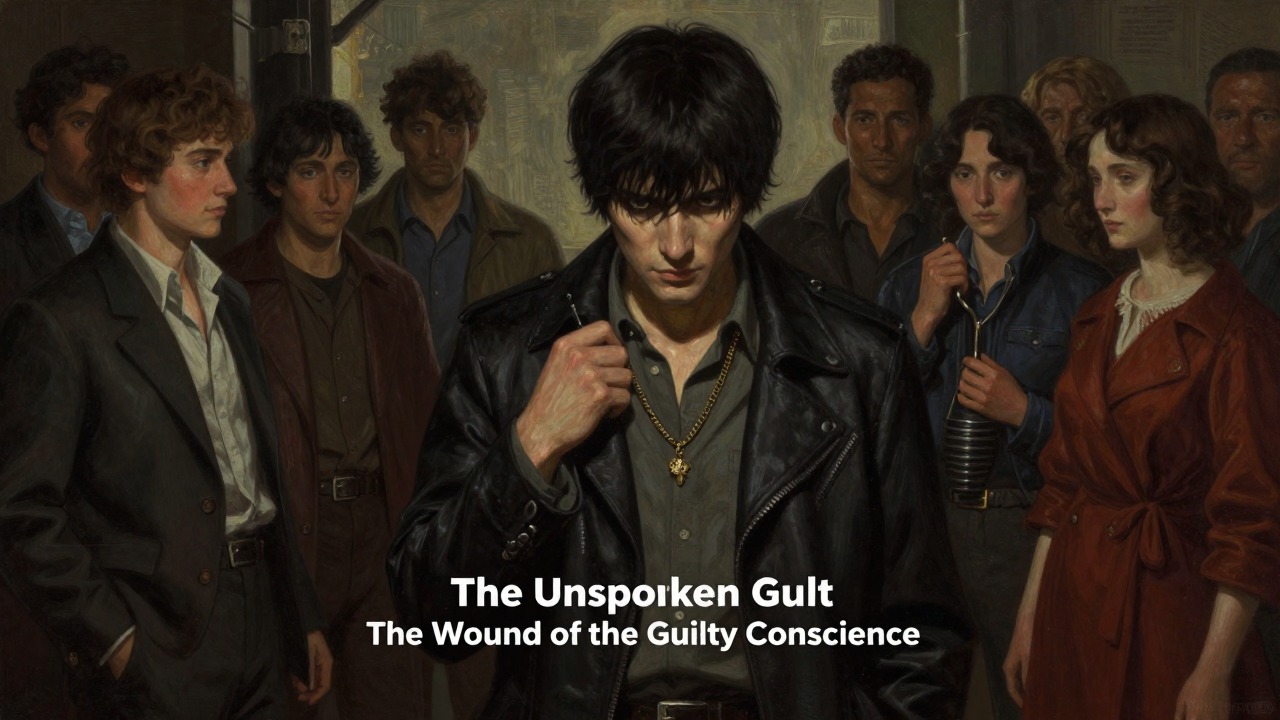
The Unspoken Guilt
The Wound of the Guilty Conscience
Yozo felt a constant criminal consciousness, as if he were guilty of something. He compared it to a wife in poverty, a faithful companion.
The Irrationality of the World
He was more comfortable in the irrational world of the underground movement than in rational society. He felt that he was a social outcast from birth.
The Affection for Outcasts
He felt affection for anyone society called an outcast, recognizing a kinship.
The Incarnation of the Reject
The Invisible Brand
The Loss of Status
After the Kamakura incident, Yozo was expelled from college and treated as a criminal. He was a "reject" in the eyes of society.
The Feeling of Being a Parasite
Living with Flatfish, he felt like a burden. He was a parasite, not a human being. His self-worth was zero.
The Escape into Nothingness
He ran away, but he carried the brand of the reject wherever he went.
The Madman's Label
The Official Disqualification
The Key in the Lock
When the doctor locked the door of the ward, Yozo understood that he was now a lunatic. He was no longer a criminal; he was a madman.
The Denial
He knew he was not mad, but society had labeled him. He thought, "People who get put into this asylum are crazy, and those who don't are normal."
The Final Question
He asked God, "Is non-resistance a sin?" He had not resisted, and now he was disqualified from being human.
The Living Ghost
The State of Non-Being
The Grey Hair
At twenty-seven, Yozo looked over forty. He had no happiness, no unhappiness. He was a ghost, a reject.
The Only Truth
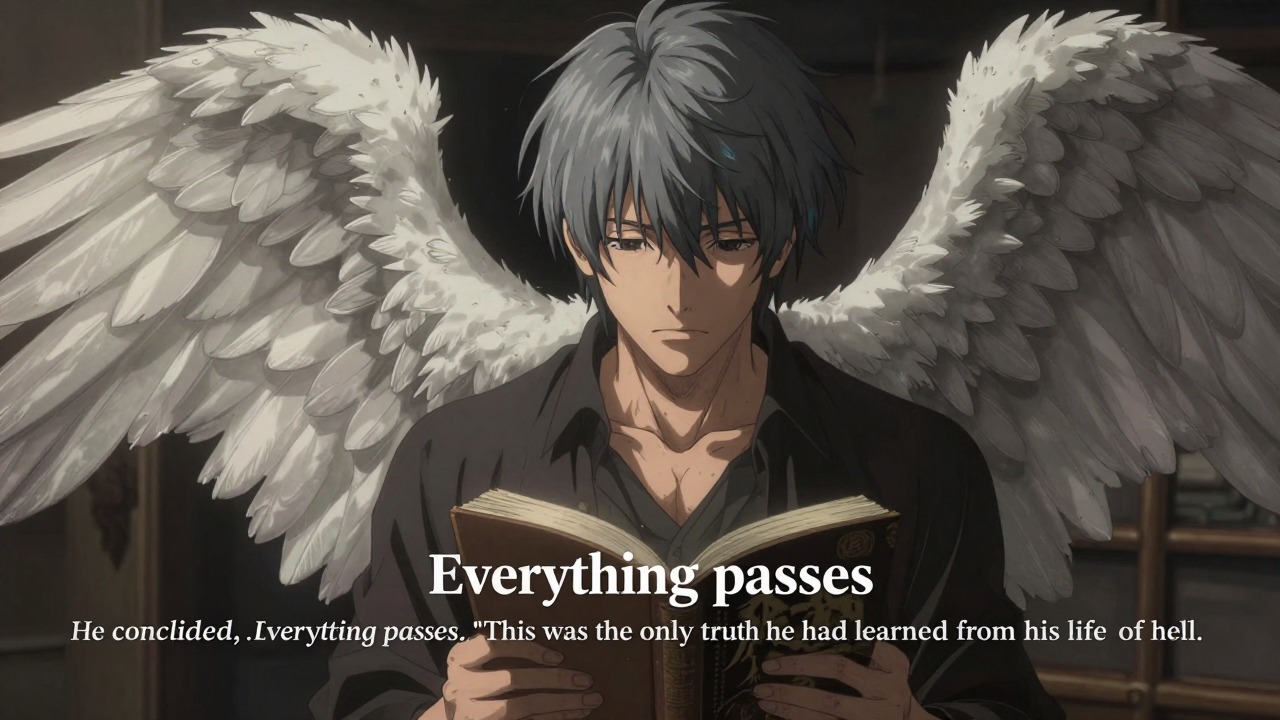
He concluded, "Everything passes." This was the only truth he had learned from his life of hell.
The Angel's Testimony
In the epilogue, the madam said, "He was an angel." This final contradiction suggests that Yozo's disqualification was a misunderstanding. He was too pure for a world that could not accept him.
childhood
college years
after the suicide attempt, under Flatfish
when committed to the mental hospital
after father's death, in the country
